
Project
Centurion Lab
A practical setup guide for a Centurion lab space, focused on utilities, test runs, and preparation for operator training.
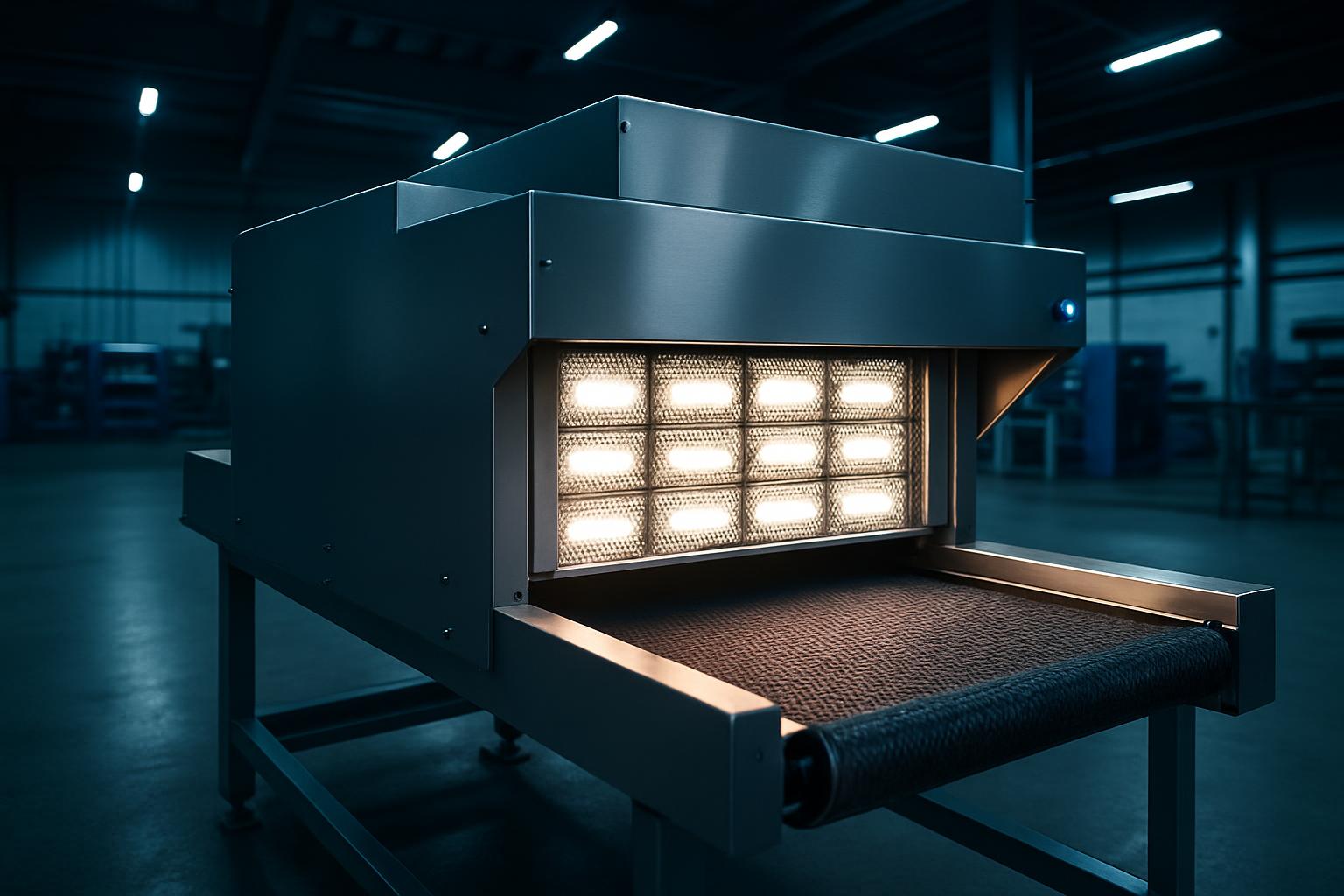
Centurion Lab before press arrival
The Centurion Lab page sets out what a test and training space must cover before a press arrives. It looks at utilities, trial runs and operator preparation for CI, narrow-web and stack machines used in packaging work.
Centurion Lab is set up to prove the room, not just the press spec. Power supply, compressed air, extraction, lighting over the print deck, and access for reel handling all need checking before a CI, narrow-web, or stack machine is brought in. In Gauteng conditions, dust control and stable temperature matter during test runs, especially where films and pressure-sensitive stocks are being trialled.
Begin with a site walk that follows the full route from offloading point to machine position. Mark utility drops, ink and solvent storage, wash-up space, and operator standing areas so training can happen without moving hoses and temporary leads. Photos taken at this stage help identify guarding gaps, cable clashes, and missing services before the first web is threaded.
Records needed for the lab brief
The Centurion Lab brief should show what the room can support on day one. Include machine type, available power, air pressure readings, substrate widths for planned trials, and the dates set aside for operator training. Faults found during inspection should be written down against the press section or support system where they occur, so follow-up work is tied to the right item.
Send the Centurion Lab brief through the contact form with the press, unwind area, utility points, and any training space that will be used. Add notes on first test materials, operator numbers, and faults such as weak air supply, damaged rollers, sensor alarms, or unstable voltage, so the lab setup can be reviewed against the actual machine condition.
- Utility points marked on site plan
- Trial substrates listed by width and grade
- Training dates logged with operator numbers
Gauteng conditions that affect trials
Centurion lab work needs to account for inland factory conditions and the way packaging plants actually operate around Pretoria and Johannesburg. Dust can build up on guides and sensors, daytime heat can shift ink behaviour, and older buildings may have limited cable routes or awkward extraction positions. These details affect whether a training run reflects live production or only a temporary setup.
Power interruptions change how test schedules should be planned, especially when registration checks and dryer settings still need adjustment. Water supply for wash-up, safe solvent handling, and forklift access for reels should be confirmed before operators arrive for training. A lab space that looks adequate on paper can still fail the first run if web handling and service access were not checked in person.
Operated by Astros Marketing (Pty) Ltd from 2 Makro Place, Sunnyrock 1401.
What to include in your submission
Provide the Centurion Lab brief with photos, utility details, training dates, and any faults already found on the press or support systems.
Provide clear photos of the room, the press, utility connections, and any damage or incomplete work that could affect commissioning. Add the planned training dates, expected substrates, print widths, and a short fault list covering items such as electrical issues, air leaks, worn parts, or control warnings. That gives the Centurion Lab record enough detail to prepare for testing and operator instruction.
What our Flexo Printing customers say
Verified Google reviews