
Catalogue
Presses
Flexo Printers maps CI, narrow-web, and stack press paths for flexible packaging, labels, and corrugated work. Sibling energy to Flexography Printers, with its own yellow-forward craft.

Ci Press
CI press layouts suit film work where web tension, repeat length and drying stability must stay consistent across long runs. On polyethylene, laminates and other flexible substrates, operators usually watch impression, ink viscosity and chill settings closely as ambient heat shifts through the day.
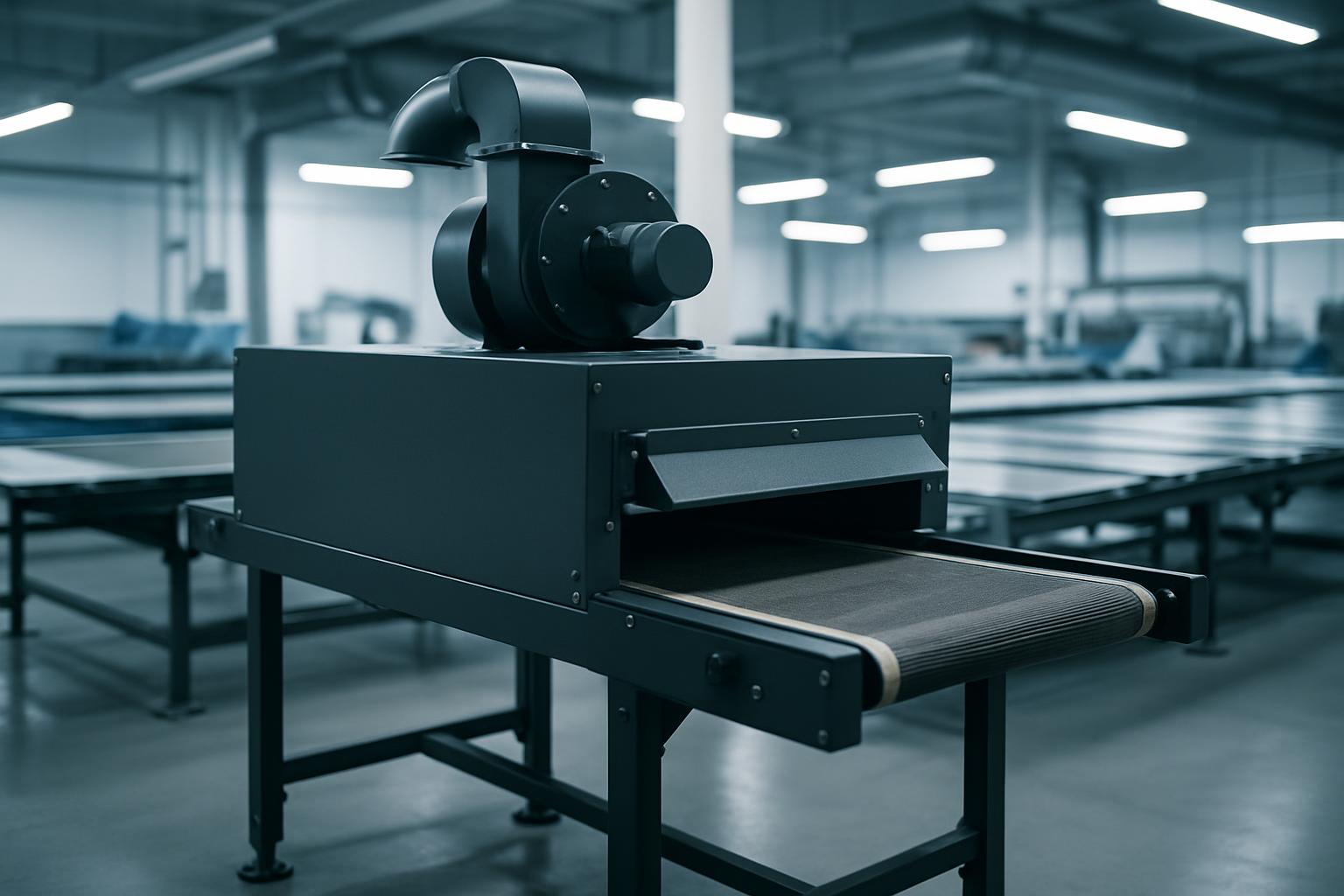
Narrow Web
Narrow web press configurations are commonly selected for pressure-sensitive labels, shrink sleeves and short to medium repeat jobs. Registration control, die station alignment and UV or drying setup matter when switching between paper stocks, PP label facestock and adhesive constructions used by South African converters.
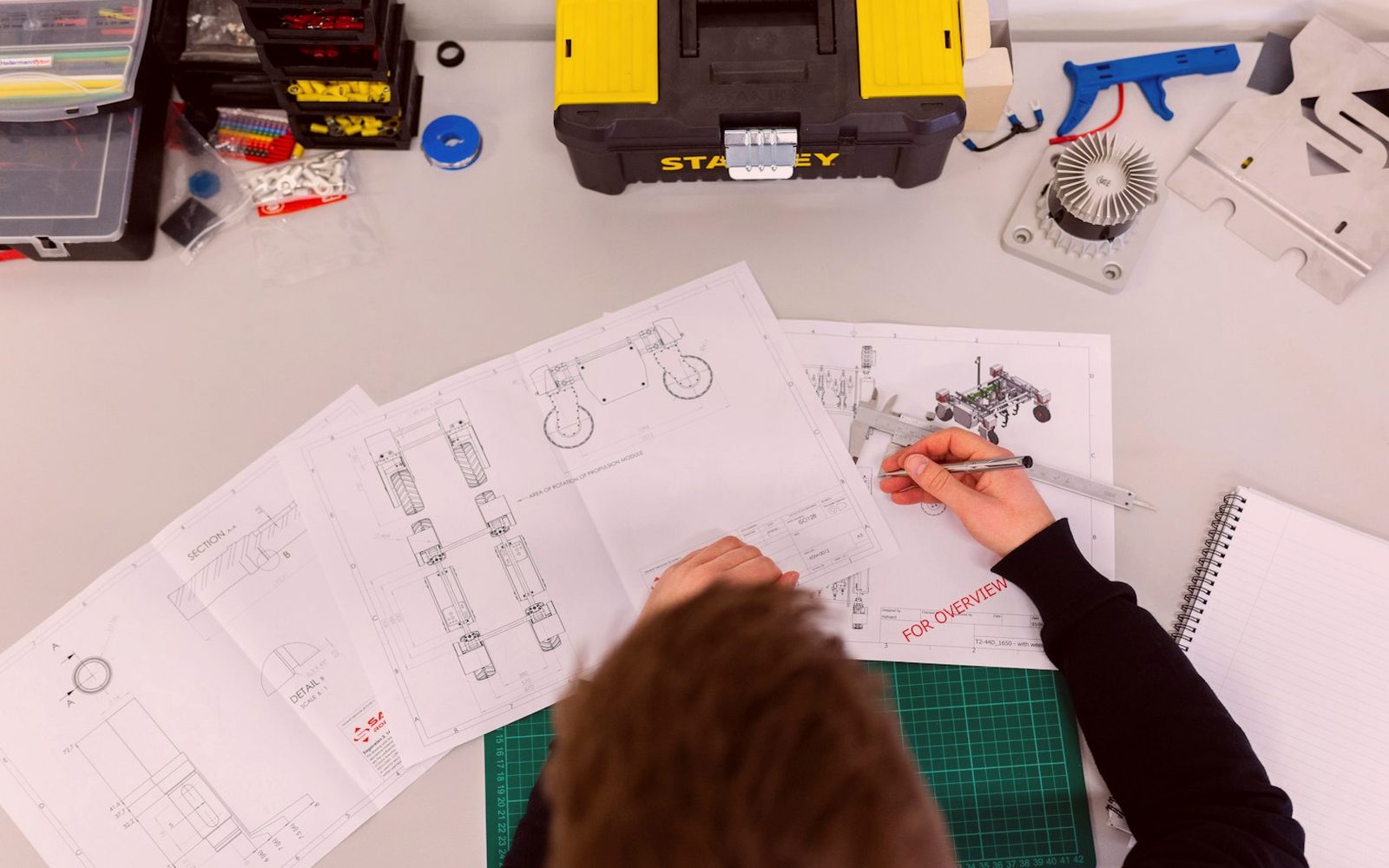
Stack Press
Stack press routes fit board, paper and simpler film applications where access to each print unit helps with changeovers and cleaning. Many sites use them for corrugated pre-print, sacks and general packaging work, with attention on nip pressure, plate mounting accuracy and stable unwind feed.

Label Line
Label line press planning needs room for print, curing, die-cutting, matrix removal and slit rewind in one controlled sequence. From retail labels to industrial identification work, substrate choice, adhesive behaviour and fine text reproduction all affect the station mix that makes sense.

Flexible Pack
Flexible pack press choices depend on the barrier structure, ink system and downstream converting method required for the pack. Snack film, detergent wraps and pouch webs often need reliable tension zones, efficient drying and repeatable colour build on thin materials that react quickly to heat and static.
Corrugated Line
Corrugated line press options are shaped by flute profile, board variation and the level of solid coverage needed on outer liners. Dust control, print bounce checks and proper anilox selection become especially important when kraft surfaces and warehouse conditions start affecting image consistency.
Unwind Kit
An unwind kit sets the starting conditions for the whole press, so shaft choice, brake control and edge guiding need to match the substrate width and roll weight. With films, papers or board reels coming from different storage conditions, tension stability at the first metres can decide how the rest of the job runs.

Rewind Kit
Rewind kit specification matters where slit quality, finished roll hardness and clean edge build are part of dispatch requirements. Differential shafts, tension taper and lay-on settings help when handling thin label stock, heavier paper grades or flexible packaging webs headed for lamination and pouch conversion.
Inspection Bay
An inspection bay gives operators a fixed point to check register, missing print, streaking and defect repeat before finished reels leave the line. Good lighting, viewing angle and web access are useful when tracking problems that only appear at speed or after several hundred metres of production.

Ink Kitchen
The ink kitchen supports consistent colour by controlling mixing, filtration, storage and return handling for the pressroom. Solvent balance, viscosity checks and container discipline become important where temperatures rise, shifts change and multiple jobs on film, label stock or board run in the same period.

Training Line
A training line gives crews space to practise mounting, registration setup, wash-up and fault finding without interrupting live customer work. It is especially useful when teams are moving between CI, narrow-web and stack press routines, each with different control points and substrate behaviour.
Spare Roll
A spare roll station helps when start-up waste, splice errors or substrate damage threatens to stop production on a live job. Keeping a matching reel ready near the press can reduce disruption during long runs on films, labels or paper where material batch differences also need checking.

Coastal Pack
Coastal Pack addresses the corrosion, humidity, and material-handling issues that appear once the first steady production runs begin.

Highveld Pack
Highveld Pack deals with the dust, dry air, and static-related print problems that often show up after initial setup has settled.

Night Shift
Night Shift focuses on the stoppages, handover gaps, and maintenance slips that become visible on after-hours flexo production.

Export Week
Export Week covers the packing, documentation, and dispatch pressure points that surface when presses and parts move across borders.

Training Day
Training Day targets the setup, registration, wash-up, and operator routine issues that become clear after the first live jobs go through.
Spares Bridge
Spares Bridge keeps critical flexo parts moving when a worn blade, bearing or sensor stops the press after commissioning.