
Presses
Narrow Web
Narrow-web press selection here is framed around labels, sachet webs, shrink sleeves, and other compact-format packaging work common in South African converting plants. The focus is on web width, substrate behaviour, and the print units needed for the job rather than broad machine categories.
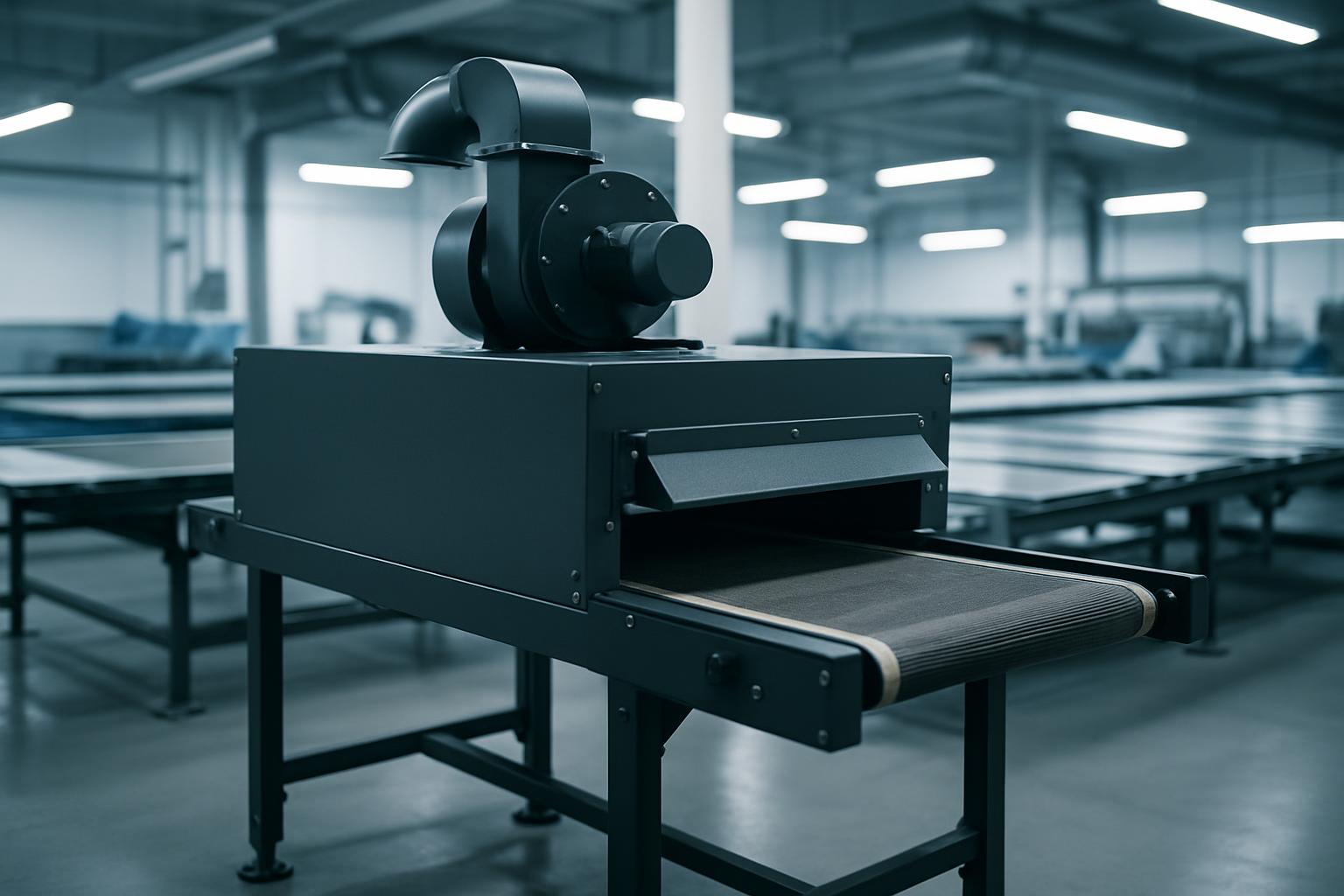
Label and sleeve press roles
Narrow Web covers flexo press options for compact web widths used in labels and selected packaging runs. It gives converters a straightforward view of machine fit, production role, and floor planning around narrow-web work.
Begin with the stock you intend to run, whether that is pressure-sensitive paper, BOPP, PE, PET, linerboard tag material, or unsupported film. Press width, repeat length, drying method, corona treatment, and the number of colours all influence the narrow-web configuration, especially where power stability, humidity, and inland dust affect daily production in Johannesburg, Durban, Cape Town, and nearby manufacturing zones.
A site check before placement helps map reel handling, operator access, extraction, and the route for plates, sleeves, inks, and waste out of the press area. Small details matter on narrow-web lines, including unwind brake settings, anilox storage, doctor blade access, and where first-off samples will be checked during make-ready.
Key details for narrow-web planning
The outcome should show which narrow-web press format suits the work, what substrates it must handle, and which options are required for changeovers, drying, registration, and downstream finishing. For label and flexible packaging jobs, it helps to record running widths, expected repeat ranges, adhesive stock requirements, and any inspection points that production must keep consistent across shifts.
Before comparing wider press routes, link the narrow-web enquiry to the matching production notes and keep the machine specification aligned with reel width, print repeat, and available utilities at the receiving site. Give the press type, web width and the job on the press, and we can point you to the right CI, narrow-web or stack setup.
- Web width matched to actual label work
- First-off sample checked against register marks
- Contact route for machine and run details
Conditions affecting South African runs
Narrow-web decisions often shift when reels arrive through Durban, when plants have limited loading access, or when the existing line sits inside an older industrial unit with restricted machine clearance. Converters also need to account for operator workflow, available compressed air, extraction layout, and whether export label work demands tighter repeatability across multiple batches.
Coastal sites usually need closer attention to corrosion, solvent storage, and cleaning frequency around print decks and drying sections. Inland operations often watch for dust around guide sensors, static on film webs, and the timing of make-ready when load shedding or backup power changes the production window for approval samples.
Operated by Astros Marketing (Pty) Ltd from 2 Makro Place, Sunnyrock 1401.
Information to prepare before enquiry
Have the main job details ready for Narrow Web, including substrate mix, maximum reel width, colour count, repeat range, and any die-cutting, lamination, cold foil, or inspection needs. It also helps to note the faults causing waste now, such as wandering register, inconsistent ink laydown, poor drying, or tension issues at higher speeds.
Keep a clear record of site measurements, electrical supply, and the handling space available for reels, plates, inks, and finished rolls when technical and procurement teams review the project. Those notes are useful when matching narrow-web equipment to the plant layout, installation constraints, and the type of packaging work scheduled for the line.
What our Flexo Printing customers say
Verified Google reviews