
Project
Pe Line
A clear process for a PE line, with attention to press footprint, drying, operator movement, and production handover on South African factory floors.
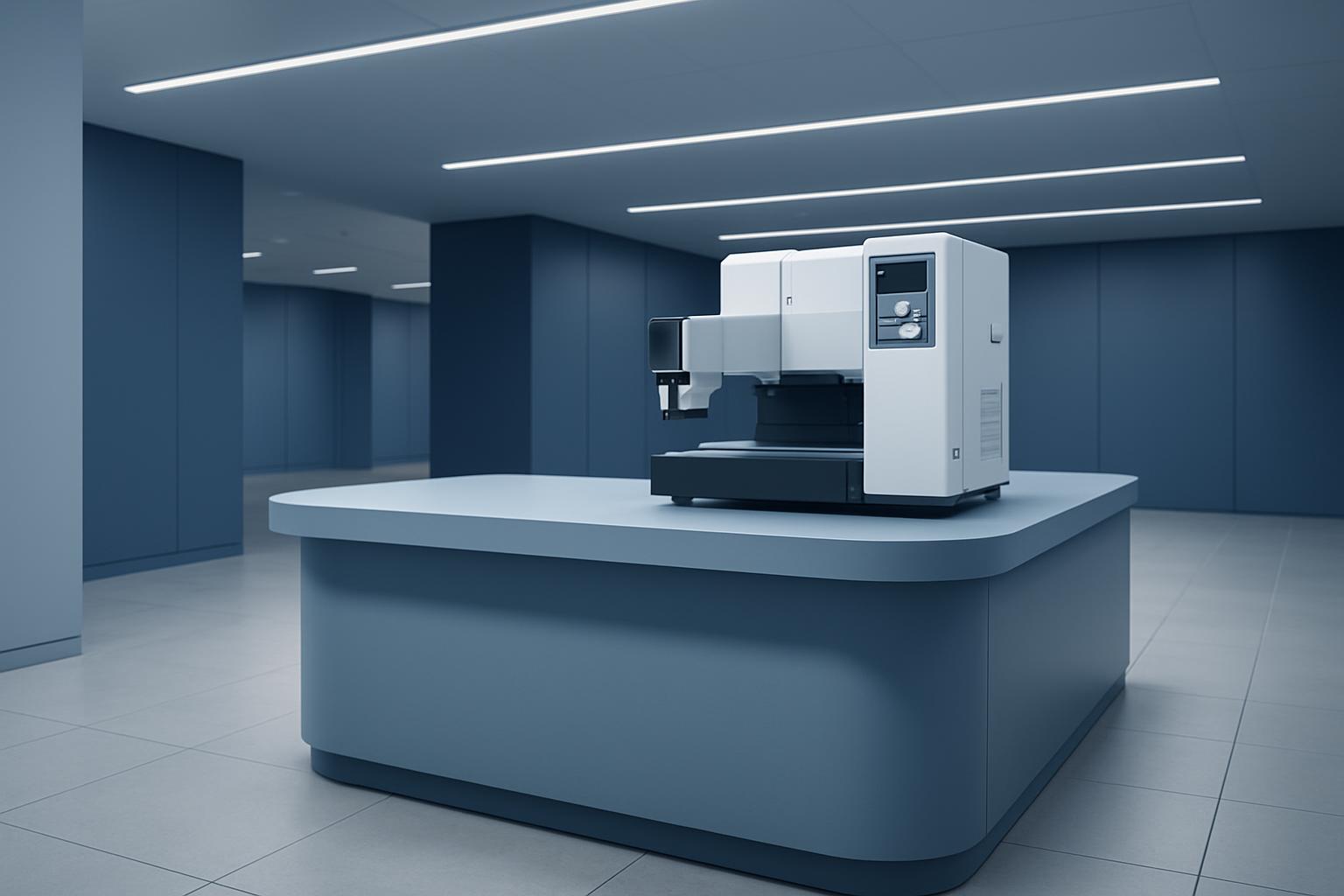
How Pe Line plays out across a production week
The PE Line page focuses on how the press fits into a live packaging line. It covers footprint, drying, operator movement and production handover for CI, narrow-web and stack press layouts.
Begin with the PE film grade, layflat width, micron range, and expected reel change frequency. A polyethylene line behaves differently from paper or board, so drying load, chill capacity, corona treatment, and web tension need to be read against the press type before any layout is fixed. For South African plants, power dips, summer heat, and aisle space around slitting or bag-making equipment often shape the final press position as much as print width does.
Include the first installation photo set with the handover record for the PE line. Those images help the next shift check dancer position, dryer access, guarding, and unwind routing without guessing from memory. On film work, one missed setting at restart can show up quickly as curl, blocking, or wandering register.
PE line handover pack
The PE line record should name the press configuration, film structure, drying arrangement, and the operator checks used at start-up. It also needs a layout note that shows reel flow, access around the print units, and where finished rolls leave the line. That gives production, maintenance, and buying the same working reference.
For a PE line review, send the current layout and any notes on gauge variation, ink hold-out, static, or tracking through the contact form. If the line feeds sealing, lamination, or conversion equipment after print, include that order as well. A useful pack usually shows unwind, print, drying, rewind, and the space where operators move during changeovers.
Site conditions affecting PE work
PE jobs react quickly to heat build-up, dust at the unwind, and tight passages around reels and trolleys. A line in Durban may need different attention to humidity and storage than one inland near Johannesburg, especially where film sits before printing. Export dates, dispatch cut-offs, and shared factory services also affect when installation and production handover can happen.
Static on polyethylene can upset web handling, especially in dry inland conditions. Coastal sites often watch solvent management, cleaning frequency, and rust-prone areas more closely around dryers and guarding. Where load-shedding or generator changeover is part of plant life, start-up approval steps should be set around stable running conditions, not assumptions.
Operated by Astros Marketing (Pty) Ltd from 2 Makro Place, Sunnyrock 1401.
Details to send for Pe Line
Share the Pe Line layout, photos, expected timing, and the press, ink, register, or web-handling issues already on record.
Share the film specification, print repeat, maximum speed, and the downstream process after printing. Add notes for current faults such as telescoping reels, poor ink anchorage, bagginess, edge weave, or heat limits through the dryers. If photos are available, include unwind, print deck access, dryer sections, rewind, and the area used for operator checks.
What our Flexo Printing customers say
Verified Google reviews