
Web notes
Demo Day
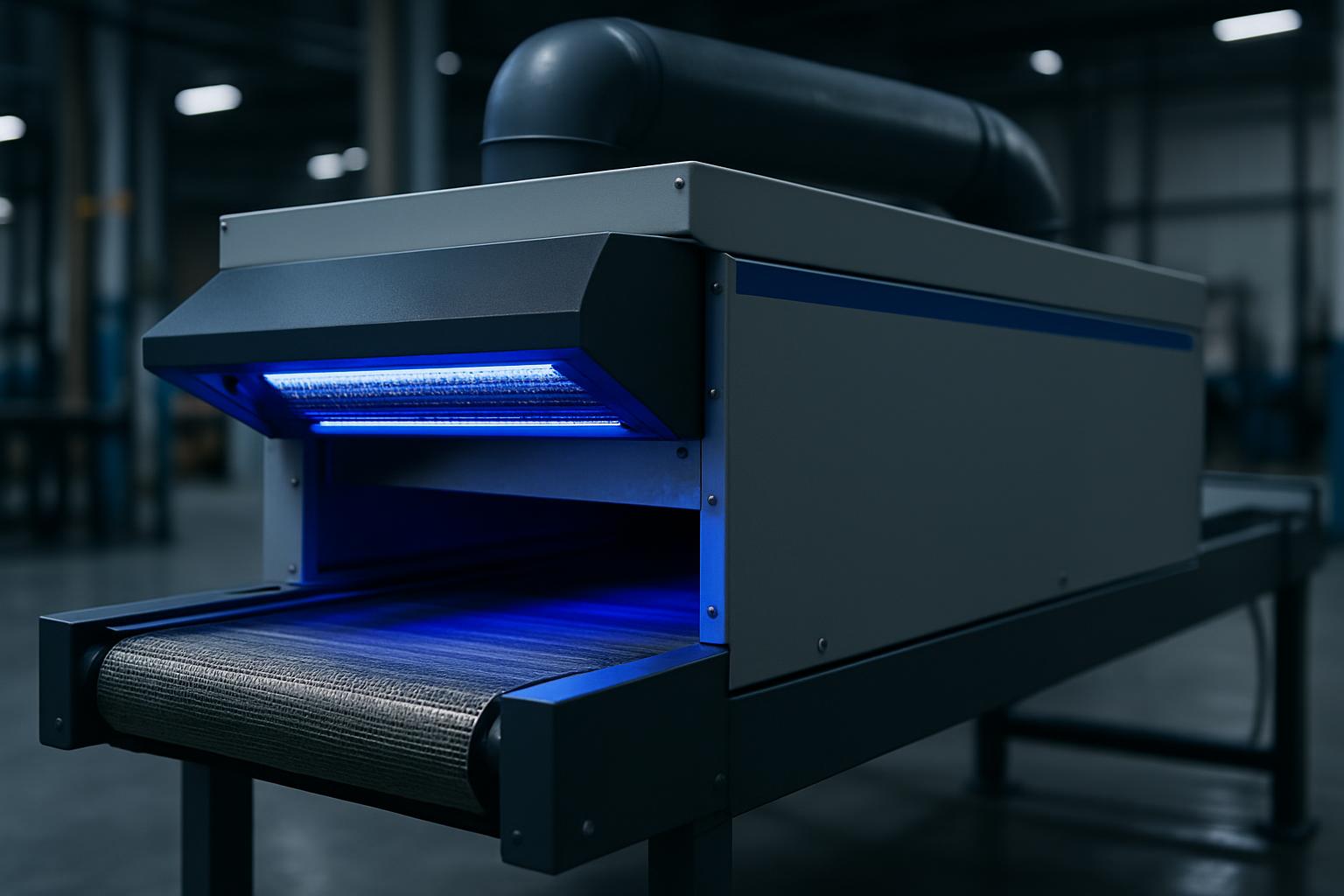
A practical note on demo day, covering substrate prep, ink setup and what your team should have ready before the press runs.
A useful demo is more than switching a press on. It should show substrate path, register control, drying, changeover points and the quality of the finished print. Demo Day is our note on making machine demonstrations count.
A worthwhile demo starts long before impression goes on. Bring the actual substrate, the ink system you intend to run, and sample artwork that shows fine text, solids, and register demand. If you want to discuss this note further, use the contact form and name the press type, substrate, and print application.
Press-side checks before first print
- Substrate roll width confirmed
- Ink, anilox, and plate set prepared for the planned job
- Artwork file and print repeat matched to the demo layout
- Operator, print manager, and buyer listed for attendance
This note works best alongside the press ranges and application pages. Demo Day is about what to observe on the machine, from unwind behaviour to drying performance and changeover points. The related pages then place those checks against CI, narrow-web, and stack configurations.
What the team should bring
Demo Day explains what your team should have ready before a flexo press demonstration starts. That includes substrate, inks, sample work, and the press-side checks that make the run worth judging properly.
Use the same materials you expect to convert in production. That means the real film, paper, or board grade, the intended ink chemistry, and a job file that tests the print features your customers inspect first. In Johannesburg, Durban, Cape Town, and other packaging centres, those details matter more than a generic run on substitute stock.
Ask for the press to be judged on operating detail, not only on whether it turns over. Watch the web path, note how register is corrected, and inspect drying before checking the finished reel or sheets. A short record from the day helps your team compare one machine path with another after the visit.
What to judge during the run
Leave the demonstration with notes on print quality, control stability, and the effort required for setup and changeover. Record the substrate used, ink set, speed range shown, and any operator adjustments made during the run. Those details give your production team something usable when the discussion moves back to plant level.
Before widening the discussion, compare what you saw on the machine with the applications you actually produce. A CI line may suit one packaging mix, while narrow-web or stack may answer a different requirement in substrate handling or format. If you send follow-up questions through the contact form, include the demo location, the material tested, and the print result you want clarified.
- Register control watched under running speed
- Drying checked on the actual ink set
- Questions noted by the attending team
Conditions that change demo results
South African production conditions can alter what a good demo looks like. Coastal humidity, inland dust, and plant power interruptions all affect substrate handling, drying behaviour, and restart routines. A machine shown under stable showroom conditions should still be discussed against the environment where it will run.
Material behaviour also changes by application. Unsupported film, laminated stock, coated paper, and board do not tension or dry in the same way, so the demo should reflect your packaging work rather than a convenient sample reel. Ask to see the points where waste is created or reduced, especially at startup and job change.
Operated by Astros Marketing (Pty) Ltd from 2 Makro Place, Sunnyrock 1401.
Notes worth taking on the day
A practical note on demo day, covering substrate prep, ink setup and what your team should have ready before the press runs.
Write down the substrate specification, ink type, plate and anilox combination, and the control actions taken during the run. Add observations on print cleanliness, edge guide behaviour, drying response, and the condition of the finished sample. Those notes make later comparisons far easier when more than one press path is under review.