
Web notes
Training Card
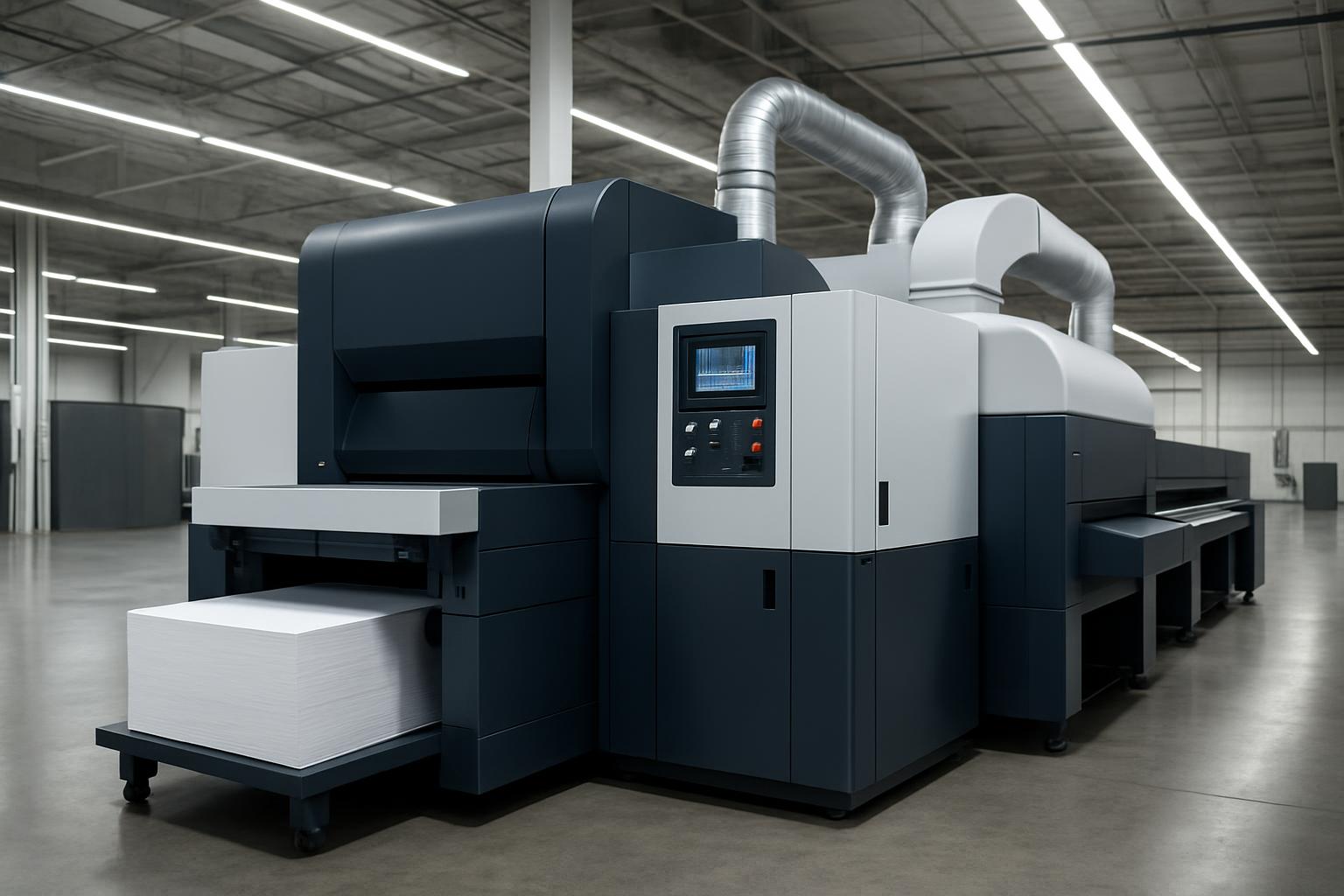
A practical note on training records, so operators, supervisors and maintenance staff know the machine basics before live jobs begin.
Training is easier to use on the floor when it fits the machine, the shift, and the operator's actual tasks. Training Card is our note for flexo teams turning machine knowledge into a practical reference.
Training Card works best when the record matches the actual press and crew. We note the machine stations, key safety points, and sign-off steps that matter on packaging lines in Gauteng, KZN, and the Western Cape. If this topic needs follow-up, use the contact form and name the press type, shift, and site on the message.
Training points logged on handover
- Press model and crew named
- Guarding, stops, and nip points shown
- Ink, anilox, and web settings recorded
- Trainer and trainee signatures dated clearly
Use this note with the machine pages that match your press format. Training Card deals with sign-off, operator exposure, and handover checks, while the press pages cover CI, narrow-web, or stack press layouts and running requirements. That split helps teams discuss training against the actual packaging work on site.
How Training Card supports flexo crews on press handover
Training Card sets out a simple record for who has been shown what on the press. Operators, supervisors, and maintenance staff should all know the machine basics before they are placed on live packaging work.
Start with the actual job conditions on press. Substrate type, web width, ink system, drying method, and repeat lengths shape what an operator must learn before a live run. Plants around Johannesburg, Durban, and Cape Town often need the card to reflect different shift patterns, utility conditions, and maintenance routines.
Use the first machine walk-through to build the card properly. A short record beside the press is easier to use than a long training file stored away from production. That helps crews check threading, register controls, wash-up points, and start-up order before the next packaging job begins.
What the card should capture
A useful Training Card names the machine, the person trained, and the tasks demonstrated. It should also show whether the crew member can thread the web, load sleeves or plates, check print registration, and complete shutdown safely. Clear written records matter more than memory when shifts change.
Keep Training Card linked to the job records used on that press, especially where more than one crew shares the same line. Before issuing copies, check that the layout on the sheet matches the machine stations and current guarding arrangement. Give the press type, web width and the job on the press, and we can point you to the right CI, narrow-web or stack setup.
- Task list matched to that press
- First sign-off completed before live work
- Training record kept with machine documents
Site factors that change training
Not every packaging plant trains in the same way. Export work, customer approval steps, older layouts, and mixed-experience crews all affect how much must be shown before an operator goes onto production. Training Card should reflect the actual machine area, not a generic induction sheet.
Coastal sites may need more attention on corrosion checks and cleaning frequency around the press. Inland dust can affect sensors, web guides, and inspection routines, so those checks should be written onto the card. Where power interruptions are common, restart procedure and safe shutdown must be part of the training record.
Operated by Astros Marketing (Pty) Ltd from 2 Makro Place, Sunnyrock 1401.
Items worth adding to Training Card
A practical note on training records, so operators, supervisors and maintenance staff know the machine basics before live jobs begin.
Include the counter location, emergency stop positions, approved PPE, and the order for start-up checks while the press layout is still current. Pair the card with maintenance notes where operator care tasks such as lubrication checks, filter cleaning, or impression setting need acknowledgement. That keeps the record useful for supervisors, operators, and maintenance staff on later shifts.